Beyond Academic Results: Dr. Rosetta Williams on What Indian Schools Need to Build for the Future
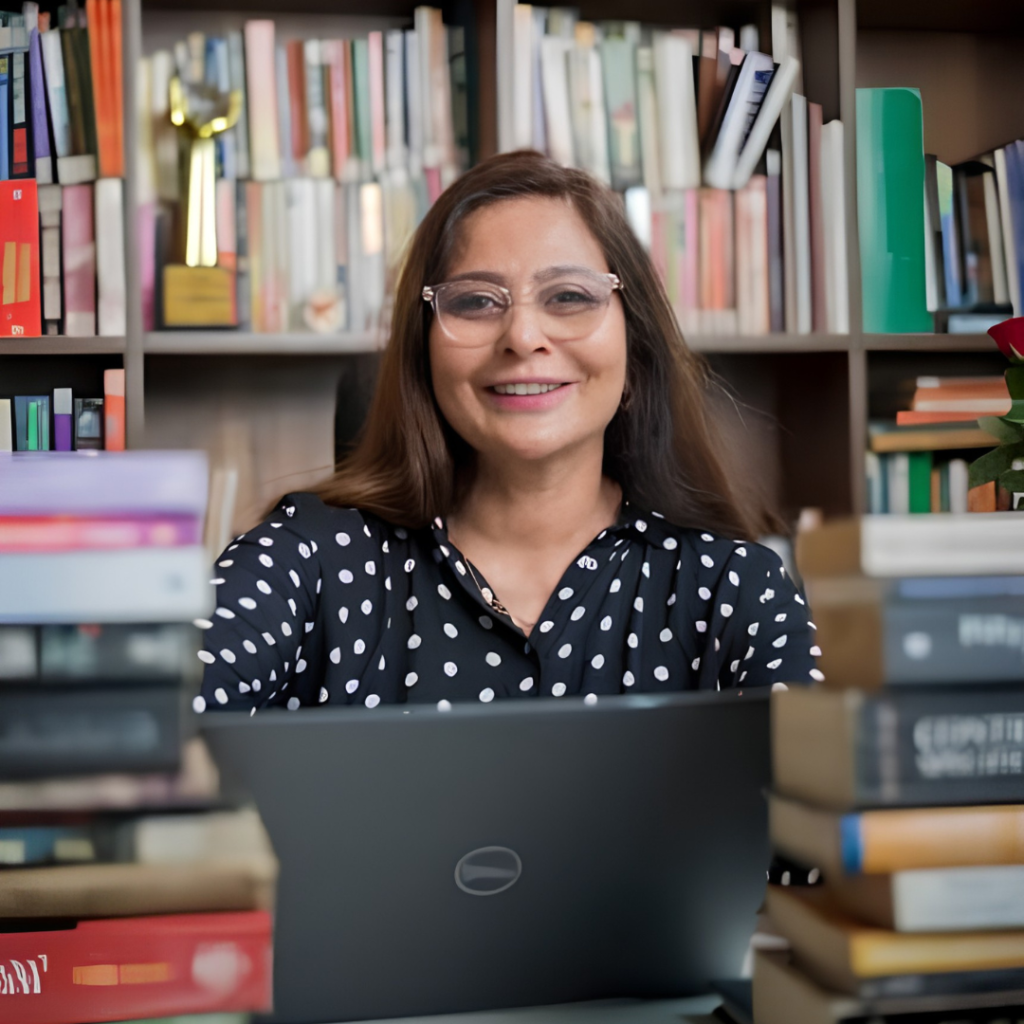
Dr. Rosetta Williams on What Indian Schools Need to Build for the Future
India’s school education landscape has changed significantly over the past three decades. Expectations have expanded, technology has altered the way students learn and communicate, regulatory requirements have become more demanding, and parents increasingly look at a school’s overall value rather than academic results alone.
Yet an important question remains: Are schools developing fast enough to meet the realities they now face?
Educationist and academic leader Dr. Rosetta Williams, who has spent more than three decades working across teaching, school leadership, academic administration and education management, believes the answer requires a broader understanding of educational quality.
For her, a successful school is not defined only by examination performance. It is shaped by the quality of its teachers, the effectiveness of its leadership, the clarity of its governance, the strength of its processes, the relevance of its academic practices and its ability to respond intelligently to change.
The Gap Between Educational Vision and Everyday Practice
Many schools have clearly articulated visions. The greater challenge is translating those visions into consistent practice.
A school may aspire to provide holistic education while teachers receive limited professional development. It may invest in technology without establishing a clear digital strategy. It may have experienced leadership but rely heavily on informal processes. It may maintain regulatory documentation without regularly reviewing whether policies remain relevant.
These gaps rarely emerge overnight. They develop gradually as schools grow more complex.
Dr. Williams believes that education leaders need to examine the complete picture rather than addressing every challenge separately. Academic quality, leadership, governance, operations, human resources, infrastructure and technology are connected elements of the school environment.
Academic Excellence Must Include the Learner
Academic achievement remains an essential measure of school performance, but Dr. Williams argues that education cannot be reduced to marks, examinations or rankings.
Her philosophy places curiosity, creativity, critical thinking, confidence, values and adaptability alongside academic achievement. Student centred learning and effective pedagogy are central to this approach.
This places teachers at the heart of educational quality.
Teacher development, mentoring and continuous professional learning can help educators respond to changing classroom requirements. Strong teachers, supported by capable academic leaders, create learning environments in which students can develop beyond prescribed syllabi.
For schools pursuing academic excellence in India, the question is therefore not simply how students perform, but what kind of learners they are becoming.
Leadership Is More Than Administration
School leadership increasingly involves balancing academic priorities with people management, regulatory responsibilities, financial considerations, parent expectations and long term planning.
Dr. Williams believes educational leaders must be equipped to do more than maintain existing arrangements. They need the ability to identify weaknesses, make informed decisions and guide teams through change.
This makes school leadership development an important area of educational planning.
Leadership assessment, principal coaching, professional mentoring, teacher development and trustee orientation can help distribute responsibility more effectively. When leadership capability exists across different levels of a school, decision making becomes less dependent on a single individual.
Governance Should Work Beyond the Boardroom
Governance is often discussed in relation to compliance, but its influence reaches much further.
Clear policies, defined responsibilities, appropriate documentation and transparent decision making provide the framework within which school leaders and staff operate.
Dr. Williams advocates a practical approach to school governance and compliance, including regulatory mapping, documentation review, policy development and leadership training.
The purpose is not to create paperwork for its own sake. It is to ensure that important decisions, responsibilities and processes are understood and consistently followed.
For trustees and school boards, this can provide greater visibility into how the organisation is functioning and where attention may be required.
The Importance of Institutional Memory
Schools accumulate enormous amounts of knowledge over time. Much of it, however, can remain with individual employees.
When an experienced administrator, principal or department head leaves, informal knowledge can disappear with them. New staff then have to reconstruct processes that should already be available.
This is why school SOP development and documentation deserve greater attention.
Clear operating procedures can support admissions, academics, administration, human resources, finance and student services. They can also make training easier and provide greater consistency when schools expand or experience leadership changes.
For Dr. Williams, well designed systems should empower people rather than make organisations dependent on particular individuals.
Technology Needs a Clear Educational Purpose
Schools are adopting ERP platforms, digital learning tools, data systems and artificial intelligence at an accelerating pace. However, technology alone does not guarantee better education.
Dr. Williams believes the starting point should be purpose.
Before adopting an AI platform or digital solution, schools should consider what problem it addresses, how it will affect teachers and students, what data it requires and whether staff are equipped to use it effectively.
This approach to AI in education and digital transformation places responsible adoption alongside innovation. Data governance, privacy, appropriate oversight and alignment with educational objectives become as important as the technology itself.
The question is not whether a school is using AI. It is whether AI is being used intelligently.
When Established Schools Need a Fresh Direction
Not every school needs the same intervention.
Some established schools experience declining enrolment. Others face rising operating costs, underused infrastructure, leadership difficulties, inconsistent processes or changing parent expectations. In some cases, academic performance may remain stable while the underlying operating model becomes increasingly difficult to sustain.
A credible school turnaround strategy begins with understanding the reasons behind the problem.
Dr. Williams advocates examining governance, staffing, academics, operations, infrastructure, technology and financial performance before deciding what needs to change.
This approach moves beyond treating symptoms. It allows leaders to identify the areas that are genuinely affecting performance and prioritise action accordingly.
New School Development Requires Careful Planning
Starting a new school presents a different set of challenges.
The building may be visible, but the less visible decisions often determine whether the school succeeds. Academic positioning, board requirements, governance, staffing, financial planning, technology, policies, admissions and operating procedures need to be considered before launch.
For those exploring new school development in India, Dr. Williams believes planning should begin with the educational proposition and then build the operational and managerial framework around it.
A school should open with clarity about how it intends to teach, lead, operate and grow.
Preparing Schools for the Next Decade
Future ready education will require more than modern classrooms and digital platforms.
It will require teachers who continue learning, leaders who understand changing educational realities, governance structures that provide clarity, technology that serves a purpose and processes that can evolve as circumstances change.
Dr. Williams also emphasises the value of learning from international educational practices while adapting those ideas to local communities and learner needs. Global exposure is valuable, but relevance determines whether an educational practice succeeds.
Her approach therefore combines experience with openness to new pedagogy, technology and emerging models of education.
Rethinking the Definition of a Good School
The Indian education sector does not lack ambitious schools. The greater opportunity lies in helping those schools become more consistent, resilient and capable of continuous improvement.
Academic excellence, effective leadership, sound governance, teacher development, responsible technology, efficient operations and financial sustainability should not be viewed as separate priorities. They influence one another.
Dr. Rosetta Williams’s perspective is rooted in this wider understanding of education. Her professional philosophy centres on empowering educators, developing capable leaders, improving academic practice and creating systems that can function effectively without excessive dependence on individuals.
The practical support required may range from school management consultancy, leadership development and governance advisory to compliance, documentation and SOPs, academic improvement, digital transformation, AI strategy, operational restructuring, new school development and school turnaround planning.
The underlying question remains simple: What does the school need to become more capable, more relevant and more sustainable?
The Time to Ask the Difficult Questions
For school promoters, trustees and education leaders, meaningful improvement begins with an honest assessment.
Where are enrolments moving? Are teachers receiving the support they need? Are governance responsibilities clear? Can critical processes survive a leadership change? Is technology solving genuine problems? Are financial and operational decisions aligned with educational priorities? Is the school prepared for the expectations of the next decade?
These are not questions that should wait for a crisis.
The strongest schools are not necessarily those without challenges. They are the ones willing to identify those challenges early and respond with clarity, expertise and discipline.
Dr. Rosetta Williams’s perspective offers precisely that starting point: look beyond examination results, understand how the different parts of a school influence one another and build the people, practices and processes required for lasting quality.
For education leaders ready to examine what is working, identify what needs attention and prepare their school for its next stage, the conversation can begin today.
Because the future of a school is rarely determined by one decision. It is built through hundreds of decisions made about people, learning, leadership, governance and the way the organisation works every day.