Naman Jain: Driving a New Era of Progressive Education in India
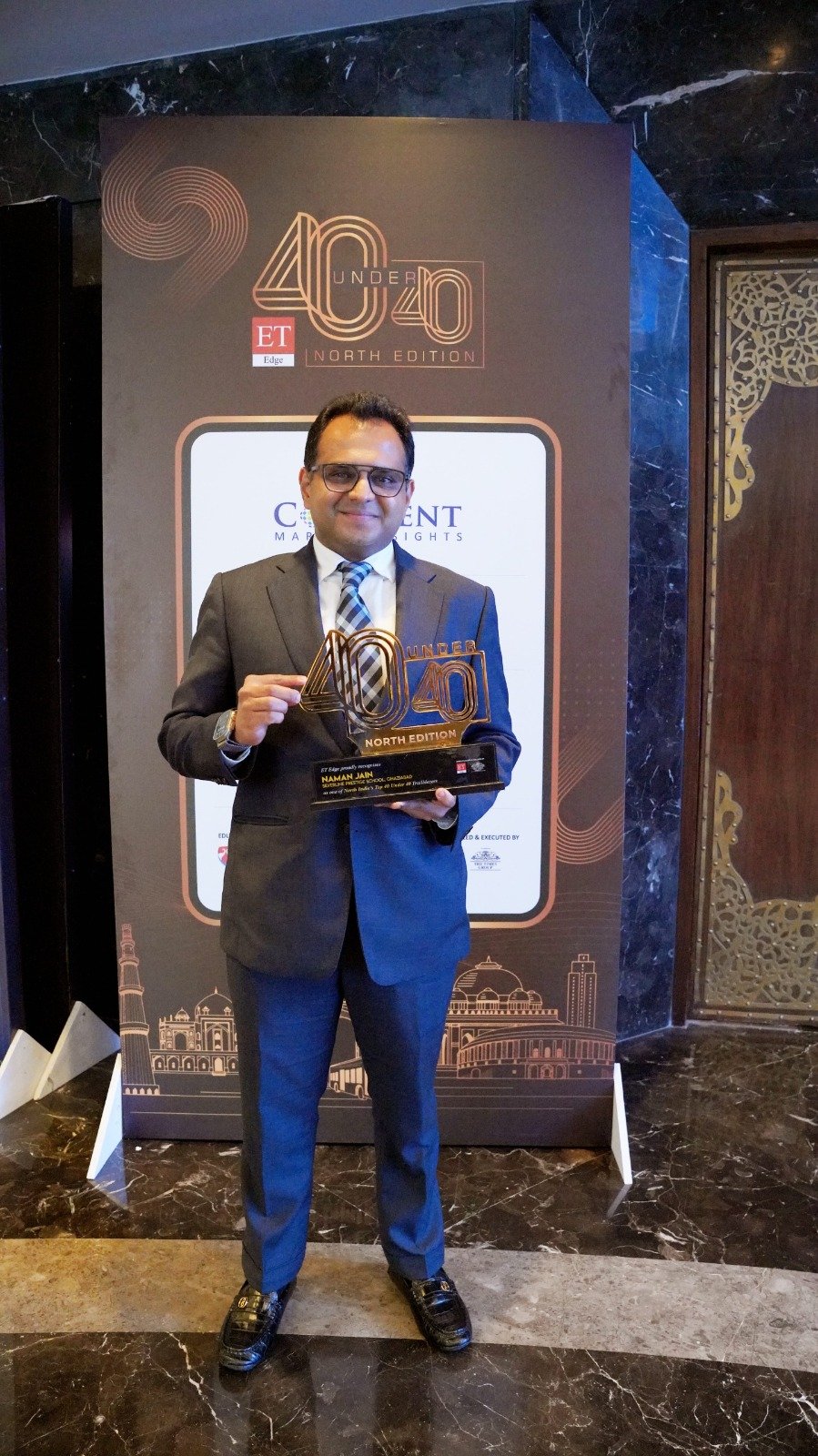
Naman Jain: Driving Progressive Education in India
India’s education landscape is entering a new phase. Academic excellence continues to matter, but the role of a school is expanding beyond textbooks, examinations and classroom learning.
Increasingly, the question is not only what students know when they leave school, but whether they are equipped with the skills, confidence and direction to succeed in the next stage of their education and careers.
Naman Jain, Vice Chairman of Silverline Prestige School, Ghaziabad, has been advocating this broader view of progressive education. His approach places future-ready skills, practical learning and student progression at the centre of the school experience. The idea is to prepare students not only to perform well academically, but also to build, experiment, solve problems and make informed choices about their future.
A key part of this shift is maker education. Instead of limiting learning to theory, maker-led classrooms encourage students to create, prototype, test ideas and learn through application. Technologies such as artificial intelligence, coding, robotics, 3D modelling and digital design can become tools through which students develop creativity, problem-solving and technological confidence from an early age. At Silverline Prestige School, this focus is reflected in the integration of emerging technologies into learning and the establishment of a dedicated department for skill development and capacity building.
For Jain, future-readiness also means recognising that skills cannot remain an add-on to conventional education. Communication, critical thinking, collaboration, digital fluency, creativity and the ability to apply knowledge need to become part of how students learn every day. The objective is to create a generation that is not merely exam-ready, but skill-ready for a world in which careers, industries and technologies are changing rapidly.
This thinking also points to a larger shift in the role of schools. Schools can increasingly become complete student-progression hubs, creating an ecosystem that supports students from classroom learning to admission into reputed colleges, universities and specialised institutions. Rather than families having to navigate this transition through multiple disconnected external systems, the school itself can become a stronger centre for academic planning, career guidance, mentoring and competitive-exam readiness.
Within this ecosystem, structured mentoring and guidance can help students connect their interests with appropriate academic and career pathways. A student interested in engineering, technology, research, design or another specialised field should be able to understand the opportunities ahead and receive relevant preparation while still benefiting from a broad, skill-oriented school education.
This model also changes how success in school is viewed. A progressive school is no longer measured only by board results. Its impact can also be seen in how effectively it helps students discover their strengths, build relevant capabilities, prepare for competitive opportunities and progress into institutions aligned with their potential.
Silverline Prestige School’s recognition as the National Capital Region’s first Google Reference School reflects its emphasis on technology-enabled learning. Jain’s larger educational vision builds on this foundation by connecting innovation in the classroom with a student’s next destination.
Such an ecosystem can help students identify the right pathways early, understand the requirements of leading institutions and prepare in a more structured manner for examinations such as JEE and other competitive entrance tests. The aim is not to turn schools into coaching centres, but to create a stronger bridge between school education and a student’s next academic destination – bringing together maker education, future-ready skills, mentoring, career guidance and competitive-exam preparation within one connected ecosystem.