India Doesn’t Need More Hospitals Alone. It Needs a Culture of Prevention.
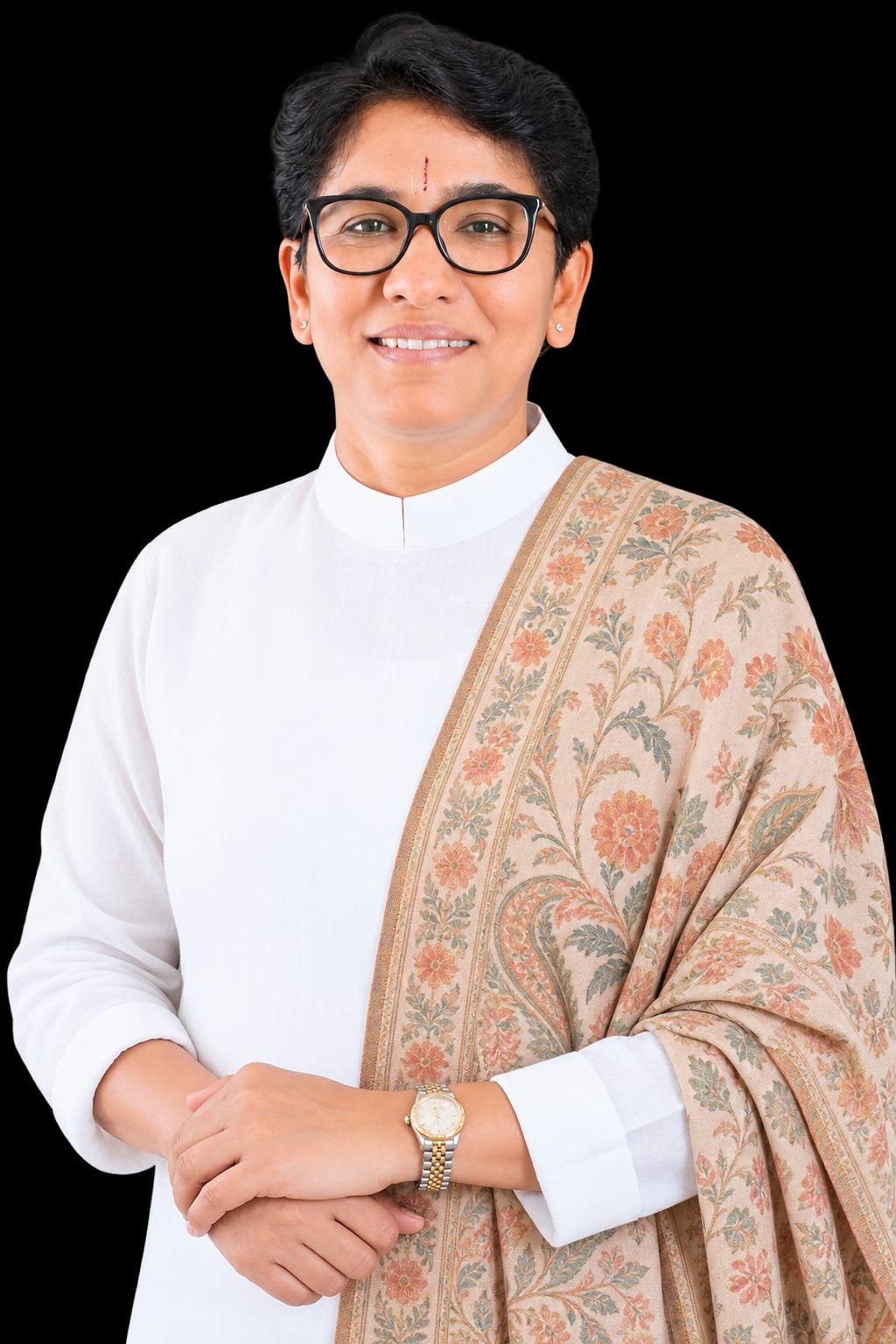
Yogita Khatri, popularly known as Gurumaa
By Yogita Khatri, popularly known as Gurumaa
Founder, Nirvana Naturopathy & Retreat, Igatpuri, Nashik
Member of ccryn ( Aayush Mantrapaya)
What if India’s biggest healthcare breakthrough is not another hospital, but a generation that learns how not to become sick?
It is an uncomfortable question, but perhaps it is time we asked it.
India is building better hospitals, adopting advanced medical technologies and expanding access to sophisticated treatment. Yet alongside this progress, lifestyle-related health problems are becoming increasingly visible—poor sleep, chronic stress, obesity, metabolic disorders, digestive problems, hypertension and diabetes are no longer concerns confined to old age.
Something has gone wrong in the way we understand health.
We have become exceptionally good at treating disease, but we have not become equally serious about creating health.
And that distinction could define the next chapter of India’s healthcare story.
«“The greatest achievement of healthcare should not only be saving people after they fall sick; it should be helping people understand how to stay well in the first place.”»

We wait for the warning light
Modern life has created an unusual relationship with the human body.
We ignore fatigue until it becomes exhaustion. We ignore poor sleep until it affects our productivity. We ignore digestive discomfort until it becomes a recurring problem. We ignore weight gain until a medical report forces our attention towards it.
Then we ask: Why did this happen to me?
But the body rarely changes overnight.
Disease may receive a diagnosis on a particular day, but the conditions that contribute to poor health are often created through hundreds of ordinary decisions made over months and years.
A late-night meal.
Another sleepless night.
Hours of sitting.
Constant digital stimulation.
Little physical movement.
Chronic stress.
Food consumed without awareness.
And almost no time for recovery.
None of these appears dramatic on its own.
Together, they can quietly change the trajectory of a life.
Prevention is not anti-medicine
There is an important distinction that needs to be made.
Talking about prevention does not mean rejecting modern medicine.
On the contrary, India needs strong hospitals, skilled doctors, scientific research, advanced diagnostics and life-saving medical interventions. Modern healthcare has transformed millions of lives, and its role is indispensable.
But medicine should not be expected to carry the entire responsibility for our health.
A hospital should be a place we can depend on when we are ill—not the only place where we learn about health.
Preventive healthcare must therefore become complementary to medical care.
The question is not medicine versus naturopathy.
The better question is: How do we combine medical science, lifestyle awareness and evidence-informed preventive practices to create healthier lives?
That is where India’s rich traditions of yoga, mindful living and naturopathy can have a meaningful conversation with contemporary healthcare.
Health begins before the prescription
For me, naturopathy has never been simply about therapies.
It is about changing the conversation from “What should I take?” to “What should I change?”
That change in question is profound.
It encourages people to examine sleep, nutrition, movement, breathing, stress, emotional wellbeing and their relationship with nature.
It reminds us that the human body is not merely a collection of medical reports.
It is a living system.
At Nirvana Naturopathy & Retreat in Igatpuri, Nashik, I have seen people arrive exhausted by the pace of modern life and begin, sometimes very slowly, to reconnect with their own bodies.
That reconnection is important.
Because sometimes the first step towards better health is not adding something to our lives.
It is removing what is continuously exhausting us.
India needs a prevention mindset
Preventive healthcare cannot remain a conversation limited to wellness centres.
It must enter our homes, schools, offices and communities.
Children should learn that health is not simply about avoiding illness. They should understand the importance of movement, sleep, nutritious food, sunlight, emotional balance and mindful technology use.
Workplaces should recognise that employee wellness is not merely an annual health check-up. A genuinely healthy workplace must also consider stress, sedentary behaviour, work-life balance and mental wellbeing.
Families need to stop celebrating exhaustion as proof of success.
And individuals must stop postponing health until they have more time.
Because “later” is one of the most expensive words in healthcare.
The economics of prevention
There is also a larger national question.
Lifestyle-related health problems affect more than individual wellbeing. They influence family finances, workplace productivity, quality of life and the broader healthcare burden.
Every preventable health problem represents more than a medical cost.
It can mean lost working days.
Lost opportunities.
Emotional strain on families.
Reduced productivity.
And years spent managing a condition instead of fully participating in life.
This is why preventive healthcare deserves to be viewed not merely as a wellness trend, but as an important part of India’s public health and economic conversation.
The wellness revolution India needs
India has something uniquely valuable.
We possess centuries of knowledge around yoga, natural living, traditional wellness practices and the relationship between human beings and nature. At the same time, we are living through an era of extraordinary medical and technological advancement.
We do not have to choose one and reject the other.
India can build a healthcare model where advanced medicine treats illness and preventive living helps reduce the burden of illness.
That is not a return to the past.
It is a smarter way of moving forward.
«“We should not measure the success of a healthy nation only by how many hospitals it builds, but also by how many people learn to protect their health before they need one.”»
This is the shift I believe India needs—from a disease-treatment mindset to a health-creation mindset.
And it begins with something remarkably simple.
Awareness.
A conscious meal.
A walk.
A good night’s sleep.
A few minutes of mindful breathing.
Time in nature.
A healthier relationship with technology.
The courage to slow down.
The willingness to listen when the body whispers instead of waiting for it to scream.
The person in the mirror is part of the healthcare system
We often speak about healthcare as though it exists somewhere outside us—in hospitals, clinics, laboratories and pharmacies.
But there is another healthcare system operating every day.
It is our kitchen.
Our bedroom.
Our workplace.
Our habits.
Our thoughts.
Our choices.
And the person in the mirror.
Doctors will continue to save lives. Hospitals will continue to perform miracles. Medical science will continue to advance.
But alongside that progress, India must cultivate something equally valuable: health literacy.
Because an informed citizen is not someone who never needs a doctor.
An informed citizen is someone who understands when medical care is necessary—and understands what can be done every day to protect health.
That is the culture of prevention India deserves.
And perhaps the most important healthcare revolution of all will happen when we stop asking only,
“How do we treat disease?”
and start asking,
“How do we create a healthier human being?”
«“Prevention is not about predicting disease. It is about respecting health while we still have it.”»
That, in my view, is where the future of healthcare begins.
Yogita Khatri, popularly known as Gurumaa, is the founder of Nirvana Naturopathy & Retreat, Igatpuri, Nashik,
Member of ccryn ( Aayush Mantrapaya)
and works in the fields of yoga, naturopathy, holistic wellness and preventive health awareness.
For a newspaper article, I’d keep it editorial, credible and compact, rather than making it read like a CV.
About Gurumaa Yogita Khatri
Gurumaa Yogita Khatri is a Yoga & Naturopathy professional, motivational speaker and social wellness advocate with 27+ years of experience in preventive healthcare, holistic wellness and community outreach. Founder of Nirvana Naturopathy & Retreat, Igatpuri, Nashik, she has worked extensively to bring Yoga and Naturopathy to grassroots communities, reaching approximately 6 lakh people through awareness initiatives and supporting approximately 4.5 lakh people through free healthcare and wellness programmes. She is also a Member of the Central Council for Research in Yoga & Naturopathy (CCRYN) and has been actively engaged in youth motivation, rural health, women’s empowerment and community development. Her work is rooted in a simple vision: Healthy People, Healthy Nation — through Yoga, Naturopathy, Prevention and Positive Living.